
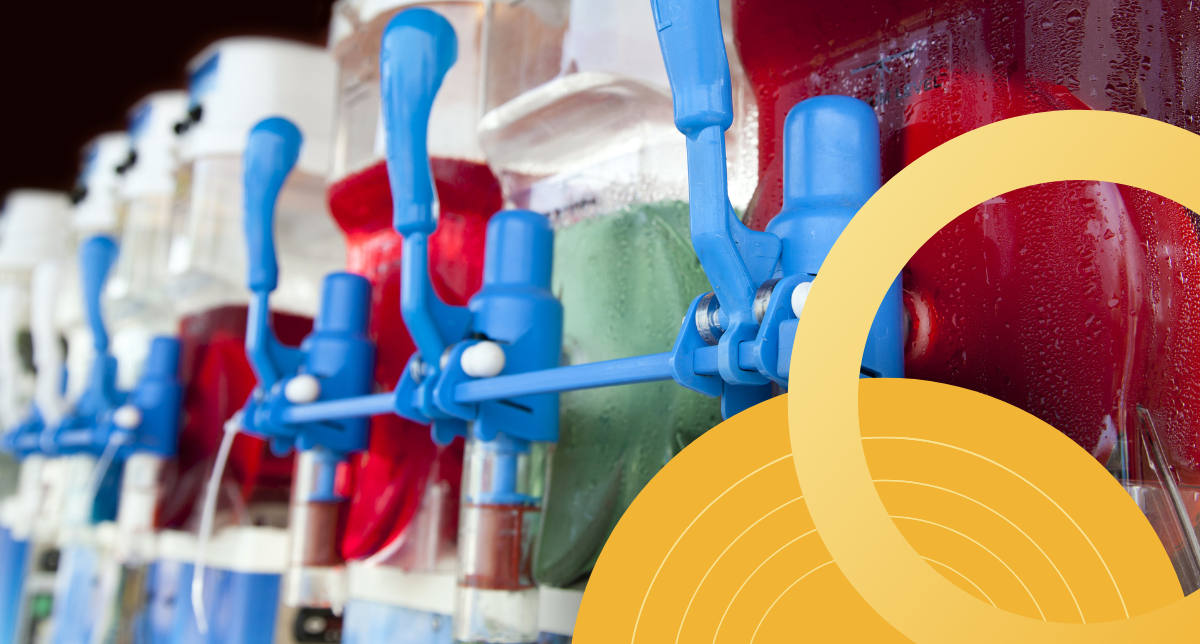
As temperatures rise, customers look for refreshing ways to cool down, and frozen drinks are one of the most appealing options. From colorful slush beverages in convenience stores to frozen cocktails at bars and restaurants, these drinks attract attention, encourage impulse purchases, and create memorable customer experiences. For many businesses, adding a frozen beverage program is not just about offering a seasonal item, it can also increase traffic, expand menus, and generate additional revenue.
Commercial frozen drink machines and slush machines make it easy to serve consistent, high-quality beverages throughout the day, even during peak hours. With the right equipment, operators can offer frozen lemonades, granitas, frozen coffees, smoothies, and cocktails while maintaining efficiency and reliability.
Why Frozen Beverages Attract Customers
Frozen drinks naturally stand out and create a strong first impression. Bright colors, visible product movement, and chilled presentation draw attention in self-service environments like convenience stores and enhance presentation behind the bar in full-service establishments. These beverages are often associated with fun and seasonal experiences, making them especially appealing during warmer months or special promotions.
Frozen beverage programs can benefit businesses in several ways:
• Encourage impulse purchases and repeat visits
• Support seasonal promotions and limited-time flavors
• Create premium menu options with higher perceived value
• Improve speed and consistency during busy service periods
• Expand offerings without significantly increasing labor
"Consistent temperatures and easy-to-clean components are critical when serving frozen beverages. Equipment that supports proper sanitation helps protect both product quality and food safety."
Ingrid Gardner, CFSP
Frozen drinks can help businesses differentiate themselves while creating new revenue opportunities throughout the year.
Businesses That Benefit Most from Frozen Beverage Machines
Frozen beverage machines can add value across many types of operations, but certain businesses often see the greatest impact due to customer demand and service style.
Convenience Stores
Convenience stores are one of the most common environments for slush machines and frozen drink dispensers. Brightly colored beverages attract attention, encourage impulse purchases, and can become destination items that bring customers back regularly. Because ingredient costs are relatively low and preparation is simple, frozen drink programs can provide strong margins while requiring minimal labor.
Bars and Restaurants
Bars and restaurants benefit from frozen drink machines when offering cocktails such as margaritas, daiquiris, and specialty beverages. Preparing drinks in batches improves consistency and speeds up service during busy hours while reducing strain on staff. Frozen cocktails also create opportunities for premium pricing and seasonal menu promotions that can increase overall beverage sales.
Quick Service, Cafés, and Concessions
Quick service restaurants, cafés, and concession venues can use frozen beverage equipment to expand menus without adding significant operational complexity. Frozen lemonades, smoothies, frozen coffee drinks, and specialty beverages appeal to a wide range of customers and can help businesses stand out from competitors.
No matter the environment, frozen beverage programs provide a flexible way to introduce new offerings, attract customers, and increase revenue potential.
Revenue and ROI Potential
One of the biggest advantages of adding a frozen beverage program is the potential for strong return on investment. Frozen drinks typically have a relatively low ingredient cost compared to their selling price, which allows businesses to achieve attractive margins while offering customers a premium product.
Frozen drink machines and slush machines can create revenue opportunities in several ways:
• High-margin beverages with relatively low product cost
• Increased impulse purchases in self-service environments
• Premium pricing opportunities for specialty drinks and cocktails
• Faster service compared to manual preparation or blending
• Expanded menus without significant labor increases
Convenience Store Opportunities
For convenience stores, frozen beverages often become high-volume items that generate consistent daily sales. Bright displays and self-service options encourage impulse purchases, especially during warmer weather or peak travel seasons. Promotional flavors and limited-time offerings can also help maintain customer interest throughout the year.
Bar and Restaurant Opportunities
Bars and restaurants often see additional revenue through frozen cocktails. Batch preparation reduces labor time and helps maintain consistent quality, even during busy service periods. Frozen drinks also support higher price points compared to standard beverages, which can increase average ticket size and overall beverage sales.
Beyond direct revenue, frozen beverage equipment can contribute to operational efficiency by speeding up service and allowing staff to focus on other tasks during peak hours. When implemented effectively, frozen beverage programs can improve both customer experience and profitability.
Some manufacturers also provide ROI tools that estimate profitability based on beverage pricing, ingredient cost, and expected sales volume. Reviewing these projections can help operators better understand potential return before investing in equipment.
Types of Frozen Beverage Machines
Commercial frozen beverage machines are available in several configurations, allowing businesses to choose equipment that aligns with their menu, volume, and service style. While features and capacities vary, most frozen drink machines fall into a few common categories.
Single Bowl Machines
Single bowl units are often a good fit for operations with limited space or a focused beverage menu. These machines allow operators to offer one product at a time and are commonly used for frozen cocktails, specialty beverages, or seasonal offerings.
Multi Bowl Machines
Multi bowl machines provide the flexibility to serve multiple flavors at the same time, which can be especially appealing in convenience stores, concession environments, and other high-traffic locations. Offering several options can increase customer interest and encourage repeat purchases.
Specialty Frozen Beverage Equipment
Some frozen drink dispensers are designed for specific products such as granitas, slush beverages, frozen coffee drinks, or smoothies. Others are versatile enough to handle a wide range of drink types depending on the mix being used. The right choice often depends on menu goals, expected volume, and how the beverages will be served.
Alcoholic vs Non-Alcoholic Frozen Beverage Programs
Another important consideration is whether the equipment will primarily be used for alcoholic or non-alcoholic beverages. While the machines may be similar, usage patterns and operational needs can differ depending on the application. Because alcohol lowers the freezing point of beverages, frozen cocktail programs often rely on carefully balanced drink mixes and consistent temperature control to maintain proper slush texture.
Bars and restaurants commonly use frozen drink machines for cocktails such as margaritas, daiquiris, and specialty drinks. These programs often focus on speed of service, consistent texture, and the ability to prepare beverages in batches during busy periods. Frozen cocktails can also support premium pricing and seasonal promotions.
Convenience stores, cafés, and concession operations typically focus on non-alcoholic beverages such as slush drinks, frozen lemonades, smoothies, or frozen coffee beverages. These offerings often rely on self-service or quick grab-and-go convenience, which can drive impulse purchases and repeat visits. Understanding how the equipment will be used helps operators select a solution that supports their menu, workflow, and customer expectations.
Key Considerations Before Adding a Frozen Beverage Program
Before introducing a frozen drink machine or slush machine into your operation, it is helpful to consider how the equipment will fit into your workflow, customer demand, and available space. Planning ahead can help ensure the program runs smoothly and delivers the expected results.
Several factors can influence long-term success:
Expected Volume
High-traffic environments such as convenience stores, bars, and concession venues may require equipment that can keep up with continuous demand throughout the day. Understanding peak service periods and anticipated sales can help determine the right capacity for your operation.
Menu Goals
Some businesses focus on a single signature beverage, while others prefer to offer multiple flavors or seasonal options. Identifying your beverage goals early helps ensure the equipment supports your long-term plans.
Space and Placement
Countertop frozen beverage machines are often positioned in visible areas to attract customer attention, especially in self-service environments. Proper placement can increase sales while ensuring staff can easily access the unit for refilling and cleaning.
Cleaning and Maintenance Requirements
Frozen beverage equipment handles sugar-based products and often operates for extended periods, which means regular cleaning and routine care are necessary to maintain performance and sanitation standards. Operators should consider how equipment maintenance will fit into daily operations and staff responsibilities.
Taking time to evaluate these factors can help businesses implement a frozen beverage program that operates efficiently and supports consistent product quality.
"Choosing equipment that matches your volume and menu goals makes a big difference in long-term success. Planning ahead helps prevent performance issues and keeps the program running smoothly."
Ingrid Gardner, CFSP
Keeping Your Frozen Beverage Machine Running Smoothly
Frozen drink machines and slush machines often run continuously throughout the day, placing ongoing demand on internal components. Regular cleaning and routine maintenance help protect performance, product consistency, and equipment lifespan. Without proper care, operators may notice issues such as inconsistent freezing, changes in product texture, leaks, or components wearing down over time.
Simple preventative steps can help keep equipment operating reliably:
-
Cleaning food contact surfaces and components regularly to prevent residue buildup
-
Inspecting seals, gaskets, and moving parts for signs of wear or damage
-
Monitoring product consistency and freezing performance to identify changes early
-
Following manufacturer cleaning schedules and recommended maintenance procedures
-
Addressing minor performance issues before they develop into larger problems
Conclusion
Frozen beverage machines can be a valuable addition to many businesses, helping expand drink offerings and create new sales opportunities. Choosing equipment that fits your menu, volume, and space needs is an important first step, and proper maintenance helps ensure consistent performance over time.
If you are considering adding frozen beverages to your menu, exploring commercial frozen drink machine options can help you find equipment that supports your business goals.


