

Shop by Category
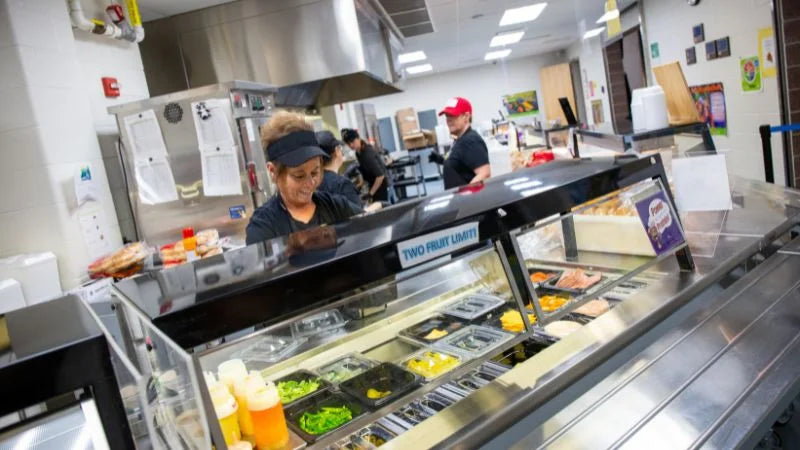
Refrigerated prep tables keep ingredients cold and within reach during food preparation. Commonly used for sandwiches, salads, and pizza assembly, these units combine refrigerated storage with a built-in work surface. Available in a range of sizes and configurations, including sandwich and pizza prep styles, to match different workflows. Built to support faster prep and consistent holding during service.
Ice bins and dispensers store and serve ice from modular and remote ice machines. These units hold ice after it’s produced, keeping it accessible during service. Options include undercounter bins, mobile bins, drop-in units, and dispenser models for different setups. Built with insulated construction to help slow melting and maintain ice supply throughout the day.
Professional food holding and warming equipment to maintain precise serving temperatures while preserving the culinary quality of your high-volume menu items. Featuring NSF-certified countertop food warmers, heavy-duty heat lamps, and insulated holding cabinets, this inventory is designed to prevent product dehydration and bacterial growth. Reliable thermal solutions to manage peak service periods with consistent food safety and professional presentation.
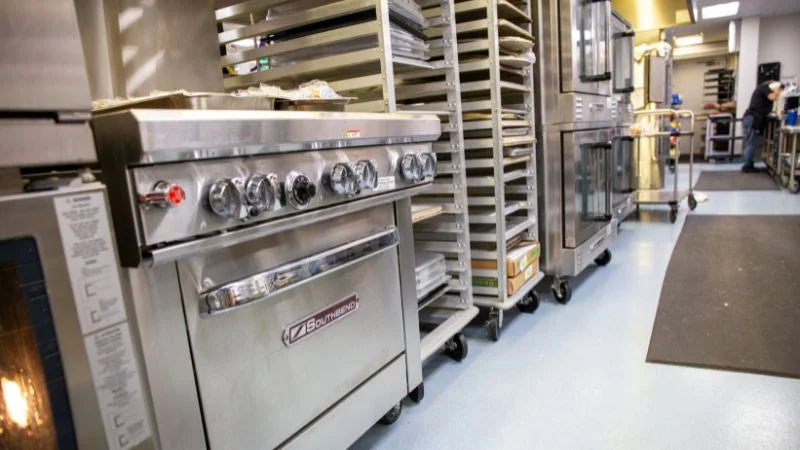
Food prep equipment plays a critical role in how efficiently your kitchen operates and how consistently your food turns out. The right tools help streamline every step of the prep process while supporting accuracy, speed, and product quality.
Designed for kitchens of all sizes, food prep equipment supports a wide range of applications. Options like mixers, slicers, processors, and packaging systems allow operators to standardize portions, minimize waste, and maintain food safety across every shift. With the right setup in place, your team can work more efficiently, stay organized, and focus on delivering consistent results from prep to plate.
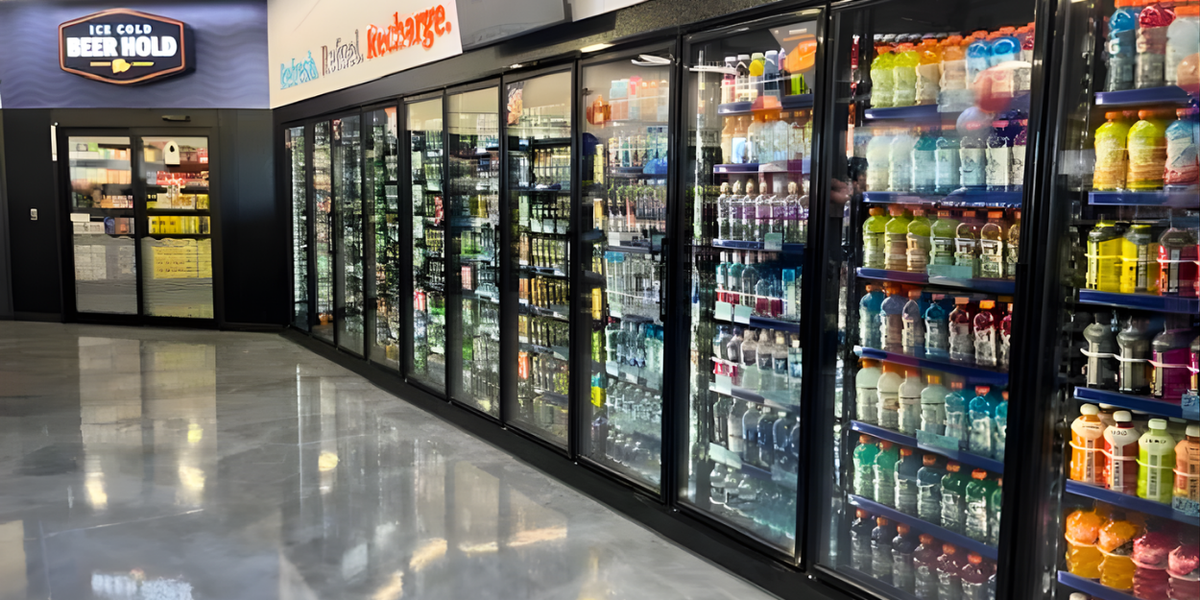
Bar Refrigeration

Build Your Own Basket
Scotsman Ice Makers

Top Restaurant Supply Brands
Blog
Outdoor Patio Seating Guide for Bars and Restaurants
Outdoor seating has become an important part of many bars and restaurants, offering additional guest space while creating a relaxed and inviting atmosphere. Whether you are expanding your current footprint or designing a patio for the first time, the right combination of furniture, layout, and comfort features plays a major role in how successful the space will be. Unlike indoor dining areas, outdoor patios must account for weather exposure, durability, traffic flow, and guest comfort in open environments. Choosing commercial-grade furniture and planning the layout carefully helps ensure your patio remains functional, comfortable, and visually appealing throughout the season. This guide outlines key considerations for designing outdoor seating areas for bars and restaurants, including furniture selection, layout planning, and equipment that can enhance the overall guest experience. Planning Your Outdoor Patio Space Before selecting furniture, it is important to evaluate how the patio will function within your overall service environment. A well-planned layout helps staff move efficiently while creating a comfortable experience for guests. Key planning considerations include: Available Space and Capacity Measure the usable area and determine how many guests you want to accommodate. Consider walking paths, service stations, and clearance between tables to avoid overcrowding. Traffic Flow Servers should be able to move easily between indoor and outdoor areas without obstacles. Clear pathways reduce delays and improve safety during busy service periods. Accessibility Ensure seating arrangements allow for accessibility compliance and comfortable movement for all guests. Shade and Weather Exposure Sun exposure, wind direction, and weather conditions influence furniture placement and comfort features. Planning for shade and protection early prevents adjustments later. Utilities and Service Needs If you plan to offer outdoor beverage service, heaters, or lighting, consider electrical access and equipment placement during the planning phase. Taking time to evaluate these factors helps create an outdoor space that supports both operational efficiency and guest satisfaction. Choosing Commercial Patio Furniture Furniture is the foundation of any outdoor seating area. Bars and restaurants require furniture designed specifically for commercial environments, where durability, stability, and ease of maintenance are essential. Commercial patio furniture is typically constructed from materials that resist moisture, UV exposure, and temperature changes while maintaining structural integrity under frequent use. Investing in quality pieces helps reduce replacement costs and ensures a consistent appearance over time. When selecting furniture, operators often consider: Durability and weather resistance Ease of cleaning and maintenance Comfort for extended seating periods Weight and stability in outdoor conditions Storage flexibility during off-season months Overall aesthetic that matches the brand or concept Consistency in furniture quality can have a bigger impact on guest experience than many operators expect. Commercial-grade patio furniture that is durable, easy to clean, and designed for outdoor conditions helps maintain both appearance and operational efficiency throughout the season. Ingrid Gardner, CFSP Outdoor Patio Chairs and Seating Options Seating plays a central role in guest comfort and overall patio functionality. The type of chairs you select should align with your service style, space limitations, and expected traffic volume. Common seating options include: Dining Chairs Standard outdoor dining chairs are ideal for table service environments and can be arranged in various layouts depending on your capacity needs. Stackable Chairs Stackable seating provides flexibility for operators who need to store furniture during weather changes or seasonal transitions. These chairs are also useful for event spaces or patios with variable layouts. Lightweight vs. Heavy Frames Lighter chairs are easier for staff to move and rearrange, while heavier frames may offer additional stability in windy environments. The right balance depends on your location and usage patterns. Bar-Height Seating and Outdoor Bar Stools Bar-height seating can add variety to your patio layout while creating a more social and casual atmosphere. High-top tables and stools are especially popular in bar environments, breweries, and rooftop patios where guests may gather for drinks rather than full meals. Bar stools designed for outdoor use typically feature weather-resistant materials and reinforced frames to withstand frequent movement and exposure. Selecting stools with footrests and supportive seating surfaces can improve comfort during longer visits. Operators often incorporate bar-height seating: Along railings or perimeter edges Near outdoor beverage stations or bars In lounge-style sections for social gatherings To maximize seating capacity in smaller areas Outdoor Tables and Table Tops Tables serve as the functional centerpiece of patio dining areas. Selecting the right size, shape, and materials helps ensure durability while supporting efficient service. Common considerations include: Table Size and Configuration Two-top, four-top, and communal tables allow flexibility depending on your guest mix and service style. Table Materials Commercial outdoor tables are often constructed from metal, resin, laminate, or composite materials designed to withstand weather exposure. Each material offers different advantages depending on your environment, budget, and maintenance preferences. Metal (Steel or Aluminum) Metal tables provide strong structural support and are widely used in commercial settings for their stability and long service life. Powder-coated or treated finishes help protect against corrosion and outdoor conditions. Heavier metal tables can offer improved stability in windy environments, though they may be more difficult for staff to move compared to lighter materials. Resin and Polymer Materials Resin and molded polymer tables resist moisture, stains, and fading while requiring minimal upkeep. These materials are often cost-effective and perform well in high-traffic environments. However, some resin products may show cosmetic wear over time with heavy commercial use compared to metal or laminate surfaces. Replaceable Table Tops Some systems allow table tops to be replaced independently from bases, extending the lifespan of your investment while allowing design updates over time. Lounge Seating and Outdoor Chaise Options Some patios benefit from more relaxed seating areas that encourage guests to stay longer and create a different atmosphere from traditional dining sections. Lounge-style furniture can be especially effective for rooftop bars, poolside service, breweries, or cocktail-focused concepts. Outdoor chaise lounges and casual seating areas allow operators to create designated spaces for guests who may not be ordering full meals but still contribute to beverage sales and overall traffic. Lounge seating works well for: Rooftop or elevated patio environments Poolside or resort-style service areas Cocktail and social gathering zones Waiting or overflow seating during busy periods Durable construction and weather-resistant materials are especially important for lounge furniture since these pieces are often exposed to the sun for extended periods. Many bars and restaurants look for features such as UV-resistant construction, reinforced commercial-grade resin frames, or durable weather-resistant resin materials that help resist fading, cracking, and moisture damage while holding up to frequent outdoor use. Shade Solutions: Umbrellas and Coverage Providing shade is one of the most important factors for guest comfort in outdoor dining environments. Direct sunlight can quickly reduce how long customers are willing to remain seated, especially during warmer months. Umbrellas offer a flexible and cost-effective way to improve comfort without permanent construction. Commercial-grade umbrellas are designed to withstand wind exposure, frequent repositioning, and extended outdoor use. Key considerations when selecting umbrellas include: Coverage area relative to table size Stability and base weight Ease of opening and closing mechanisms Wind resistance and durability UV protection for guests Strategic placement of umbrellas can also help define seating zones and improve the visual appeal of the patio. Extending the Season with Patio Heaters Outdoor dining does not have to end when temperatures drop. Patio heaters allow bars and restaurants to extend seating use into cooler seasons, increasing revenue opportunities and maximizing the value of outdoor space. Heaters are especially useful for: Early spring and late fall service Evening dining when temperatures decline Regions with variable seasonal weather Rooftop or open-air environments Commercial patio heaters are designed to provide consistent heat output across seating areas while maintaining safety and durability in outdoor conditions. 6 Layout Tips for Your Restaurant Patio A well-designed patio supports both guest comfort and staff efficiency. Poor layouts can create bottlenecks, slow service, and increase strain on employees during busy periods. Helpful layout strategies include: Maintain clear walking paths between tables Position service stations near high-traffic seating areas Allow enough space for chairs to move without blocking aisles Separate dining and lounge zones when possible Place bar-height seating along edges to maximize capacity Keep entrances and exits unobstructed Thoughtful furniture placement improves workflow while creating a more comfortable experience for guests. When planning an outdoor patio, think about how servers will move between indoor and outdoor service areas during peak hours. Clear pathways, efficient table spacing, and accessible service points help reduce congestion and improve service speed. Ingrid Gardner, CFSP Durability and Maintenance Considerations Outdoor furniture experiences more wear than indoor seating due to weather exposure, movement, and environmental conditions. Choosing commercial-grade materials helps reduce maintenance needs and extend product lifespan. Routine care also plays a role in maintaining appearance and performance. Simple maintenance practices include: Cleaning surfaces regularly to remove dirt and debris Storing or covering furniture during severe weather Inspecting hardware and connections periodically Drying cushions and surfaces after rain exposure Stacking or storing furniture during off-season months Like any commercial equipment, proper maintenance helps ensure long-term reliability and consistent appearance. Creating an Outdoor Patio That Works for Your Business Outdoor patios provide bars and restaurants with valuable opportunities to expand seating capacity and enhance the guest experience. Selecting durable furniture, planning efficient layouts, and incorporating comfort features such as shade and heating can help operators create inviting outdoor environments that support both service efficiency and customer satisfaction. Whether you are building a new patio or upgrading an existing space, choosing commercial-grade furniture designed for outdoor use helps ensure long-term performance and flexibility. Exploring available patio furniture options can help you find solutions that align with your space, concept, and operational needs.
Read moreSo What Exactly is NSF International?
Why You See “NSF Certified” Everywhere in Commercial Kitchens If you’ve ever shopped for commercial kitchen equipment, you’ve likely noticed the letters NSF showing up on ice machines, prep tables, shelving, sinks, and even smallwares. For many operators, it’s something they’ve been told to look for, especially when food safety and sanitation are top priorities. But what does NSF actually mean? Let's find out. At a Glance: What NSF Certification Means NSF = National Sanitation Foundation - An independent organization that sets sanitation and safety standards for commercial foodservice equipment. NSF certification focuses on sanitation, not performance - It evaluates materials, construction, and cleanability — not cooking power or speed. NSF-certified equipment is easier to clean and sanitize - Designs reduce crevices, seams, and areas where bacteria can hide. Often required by health departments - Many inspectors expect NSF-listed equipment in commercial kitchens. Applies to more than just big equipment - Refrigeration, prep tables, sinks, shelving, and even smallwares can be NSF certified. It’s a baseline standard, not a premium upgrade - NSF certification helps eliminate guesswork when choosing compliant equipment. What Does NSF Stand For? NSF stands for the National Sanitation Foundation. NSF International grants NSF certifications. The name reflects NSF International's original focus: improving sanitation and public health through clear, measurable standards. When you see a product labeled as NSF certified, it means that the equipment has been evaluated against specific sanitation and safety criteria. These certified products are designed to support clean and safe food handling in commercial environments. Note: It’s also worth clearing up a common point of confusion. This NSF is not the same as the National Science Foundation (NSF), a U.S. government agency that funds scientific research. Who is NSF International? NSF International, a nonprofit entity, is dedicated to creating standards and certifying products, all to safeguard public health. Within the foodservice sector, their efforts center on verifying that equipment complies with sanitation and safety standards tailored for commercial use. NSF International has been operating since 1944. They were originally founded as the National Sanitation Foundation(NSF), but have since expanded internationally. Today, they work with manufacturers, regulators, and industry professionals worldwide. This long-standing role and consistent oversight are why NSF is widely recognized and trusted throughout the foodservice industry. NSF doesn't produce or sell equipment, nor does it endorse any particular brand. They function as an impartial third party, assessing products against predefined sanitation benchmarks. Manufacturers present their equipment for evaluation, and only those that satisfy NSF’s criteria earn certification. “Manufacturers, regulators and consumers alike look to NSF International for the development of public health standards and certification that help protect the world's food, water, health and consumer products.” — NSF, About Us What Does NSF Certification Mean in Foodservice? In foodservice, NSF certification sets a consistent sanitation baseline for commercial kitchen equipment. Rather than focusing on performance or features, NSF standards look at how equipment is built. That means the materials used, the type of surface finishes, and the overall construction. The goal is to reduce areas where food residue, moisture, or bacteria can collect. For operators and buyers, NSF certification helps simplify equipment selection by providing a recognized standard across foodservice products. “Manufacturers, regulators and consumers alike look to NSF International for the development of public health standards and certification that help protect the world's food, water, health and consumer products.” — NSF, About Us How Does Equipment Earn the NSF Label? According to NSF International’s certification guidelines, a product must undergo a strict evaluation process to earn the mark. NSF International doesn't just take the manufacturer's word for it; they verify every detail. How Equipment Earns NSF Certification: Material Review: They verify that the materials used (like stainless steel or plastics) are "food-safe" and won't leach chemicals into your ingredients. Design & Construction: Specialists check that the equipment has smooth surfaces and no "dead spots" where bacteria or food particles could hide. Performance Testing: The equipment is put through its paces to ensure it can withstand the heavy-duty environment of a commercial kitchen. Facility Inspections: NSF conducts unannounced visits to the manufacturing plants to ensure the production process remains consistent over time. Check out the full testing process with NSF International’s certification guidelines. What Product Types Are NSF Certified? According to NSF International’s certification guidelines, a product must undergo a strict evaluation process to earn the mark. NSF International doesn't just take the manufacturer's word for it; they verify every detail. How Equipment Earns NSF Certification: Material Review: They verify that the materials used (like stainless steel or plastics) are "food-safe" and won't leach chemicals into your ingredients. Design & Construction: Specialists check that the equipment has smooth surfaces and no "dead spots" where bacteria or food particles could hide. Performance Testing: The equipment is put through its paces to ensure it can withstand the heavy-duty environment of a commercial kitchen. Facility Inspections: NSF conducts unannounced visits to the manufacturing plants to ensure the production process remains consistent over time. Check out the full testing process with NSF International’s certification guidelines. Commercial Refrigeration Refrigerators Freezers Merchandisers Undercounter Units Food Prep Equipment Prep Tables Cutting Boards Mixers Slicers Stainless Steel Equipment Sinks Work Tables Commercial Shelving Kitchen Racks Smallwares & Food Storage Food Pans Food Containers Storage Lids Kitchen Utensils Why NSF Matters in Commercial Kitchens At the end of the day, the NSF certification is about trust. It gives owners, managers, and buyers confidence that their restaurant equipment meets sanitation standards. It’s important to note that NSF certification isn’t a premium feature or an upgrade; it’s a foundation. Many commercial kitchens rely on NSF-listed equipment simply because it aligns with common sanitation standards and removes guesswork when selecting equipment. At Burkett, we work with foodservice operators every day to help them choose equipment that fits their kitchen, their menu, and their operational needs. Whether you’re replacing a single piece of equipment or planning an entire kitchen, our team is here to help you make confident decisions. FAQs What does NSF certified mean? NSF certified means a product has been evaluated to meet sanitation and safety standards for commercial use. In foodservice, this typically focuses on food-safe materials, cleanable surfaces, and construction designed to support proper sanitation. Is NSF certification required for foodservice equipment? NSF certification is not a federal law, but it is commonly required or strongly preferred by local and state health departments for commercial foodservice equipment. Many health codes reference NSF standards (or equivalent) when evaluating equipment sanitation and cleanability. Always check with your local health authority, as enforcement and requirements can vary by jurisdiction. Does NSF certification apply to smallwares? Not all smallwares are required to be NSF certified. However, smallwares used for food contact, food storage, or food preparation—such as food pans, containers, lids, and utensils—are often expected to meet NSF standards in commercial kitchens. Health inspectors typically look for NSF certification or an equivalent sanitation standard on these items. Is NSF the same as UL certification? No. NSF focuses on sanitation and food safety standards, while UL primarily evaluates electrical safety and fire risk. Some products may carry both certifications, depending on their use and design. Does NSF certification expire? NSF certification is not a one-time approval. Certified products are subject to ongoing requirements to help ensure they continue meeting NSF standards over time. Can used equipment be NSF certified? Used equipment may still carry NSF certification if it was originally manufactured and certified to NSF standards, since certification applies to the product’s design and construction—not its age. That said, condition still matters. At Burkett, our experienced technicians thoroughly inspect used equipment to ensure it remains cleanable, functional, and suitable for commercial kitchen use before it’s offered for sale. Does NSF International offer classes to train my employees? Yes. NSF offers numerous training and educational classes such as Food Equipment Sanitation Certification and Kitchen Products Certification. If you have over 6 people who need to be trained, NSF provides cost-effective onsite training. They also offer customized programs. For more information, contact NSF directly: [email protected]
Read moreHow To Clean Stainless Steel Equipment
Stainless steel is a top choice for commercial kitchens and foodservice environments because it’s strong, corrosion-resistant, and easy to sanitize. However, even stainless steel can stain, dull, or corrode if it isn’t cleaned correctly. The good news? With the right tools and techniques, it’s easy to maintain a polished, professional look on all your stainless steel surfaces. Why Proper Stainless Steel Care Matters All stainless-steel surfaces have a thin layer of chromium on the outside. The chromium layer chemically reacts with air to create a slick, hard surface that resists stains and corrosion. Anything that damages or interferes with that chromium/air interaction (like dirt, oil or scratches) will cause stainless steel to stain, corrode or rust. That's why, especially in restaurants, frequent cleaning is necessary. One of the most common issues we see in commercial kitchens is stainless finishes being damaged by harsh cleaners. Using the wrong cleaners or detergents can break down the protective surface layer over time. This leads to: Dullness Discoloration Premature wear Proper care goes hand in hand with choosing the right stainless steel in the first place. Different stainless steel grades and gauges vary in how well they resist corrosion, handle frequent cleaning, and stand up to daily wear in commercial kitchens. Our Stainless Steel Buying Guide explains how grade and gauge influence durability, performance, and long-term maintenance Tools To Clean Stainless Steel Microfiber cloths or soft bar towels Warm water Mild dish soap Spray bottle Non-abrasive sponge or soft nylon brush Stainless steel cleaner (optional) Baking soda (for stubborn spots) Food-grade mineral oil or stainless polish (optional) Step-by-Step Daily Cleaning Note: The steps below apply primarily to stainless steel equipment and work surfaces. Cleaning methods may vary for other materials, smallwares, and disposable supplies. Always follow manufacturer instructions and local health code requirements when cleaning non-stainless surfaces. Pre-Clean: Remove Loose Debris Wipe down surfaces with a dry microfiber cloth to lift dust, crumbs, and loose grime before you introduce moisture. Everyday Cleaning (Daily or After Spills) Mix a gentle cleaner: Combine warm water with a few drops of mild dish soap in a bucket or spray bottle. Wipe with the grain: Always clean in the direction of the stainless steel grain. This prevents micro-scratches and helps evaporate moisture evenly. Rinse: Wipe with a cloth dampened in clean water to remove soap residue. Dry completely: Drying prevents water spots and keeps the finish shiny. While these steps work well for stainless steel equipment, cleaning methods can vary by material. Our Cookware Cleaning Instructions outlines proper care across the most common commercial kitchen materials. When in doubt, stick to mild soap, warm water, and soft cloths. Occasional Deep Cleaning Daily wipe-downs are essential, but they don’t always remove grease buildup, mineral deposits, or heat discoloration. Periodic deep cleaning helps maintain a professional appearance and supports thorough cleaning practices beyond daily wipe-downs. Deep cleaning stainless steel can also help restore its original shine and finish. Deep cleaning stainless steel can help restore that gleaming, new finish. When to Deep Clean Stainless Steel Deep cleaning should be done on a scheduled basis and anytime visible buildup appears. Weekly or every two weeks for appliances like cooklines, grills, and fryers that are subjected to extreme heat, steam, or heavy oil Monthly for lower-contact stainless surfaces such as equipment panels, shelving, and cabinet exteriors Following periods of high service demand or seasonal surges Prior to preventative maintenance or health examinations Anytime streaks, discoloration, or residue persists following standard cleaning How to Deep Clean Stainless Steel in 5 Steps Power Down & Cool: Before cleaning, turn off the equipment and let all surfaces cool fully. Eliminate Loose Grease & Debris: Use a dry microfiber cloth to wipe off surfaces to get rid of food residue and grease. Wash with a Stainless-Safe Cleaner: Use warm water and either a stainless steel-approved cleaner or a light dish soap. For stubborn buildup or discoloration: A paste made from baking soda and water can be used sparingly on stainless steel surfaces. Test in an inconspicuous area and avoid aggressive scrubbing. Wipe with the Grain, Then Rinse: To get rid of residue, gently clean in the direction of the grain and then wash again with clear water. Dry & Polish: Use a microfiber towel to buff dry. Apply a thin layer of food-grade mineral oil for gloss. Just think: Cool → Degrease → Wash → Rinse → Dry → Buff What to Avoid When Cleaning Stainless Steel Keeping stainless steel equipment clean helps maintain a professional kitchen environment and supports long-term equipment care. When it’s time to replace worn surfaces or upgrade equipment, choosing stainless steel built for commercial use makes a difference. Explore Burkett’s selection of stainless steel equipment and supplies, or connect with our team for guidance on choosing the right fit for your operation. FAQs about Stainless Steel Maintenance What’s the best cloth for stainless steel? Microfiber absorbs dirt and lifts grease without scratching — ideal for both cleaning and polishing. Do different stainless steel grades require different cleaning methods? The cleaning method is generally the same, but higher-grade stainless steel is more resistant to corrosion and staining in wet or high-acid environments. Can stainless steel rust? Yes. Stainless steel is corrosion-resistant, not rust-proof. Rust typically forms when the protective chromium oxide layer is damaged by harsh chemicals, standing water, or steel wool contamination. Why do fingerprints show up so easily on stainless steel? Natural oils from hands transfer easily to smooth stainless surfaces. Polishing lightly with a microfiber cloth and food-grade mineral oil can help reduce visible fingerprints. Can scratches be removed from stainless steel? Light scratches may be reduced using stainless steel scratch repair kits or polishing pads designed for stainless. Deep scratches usually cannot be fully removed. Can I use vinegar or natural cleaners? Vinegar can help dissolve grease, but some pros caution that its acidity can leave streaks or strip protective layers over time. If you use it, dilute and rinse thoroughly. Can I use glass cleaner on stainless steel? Glass cleaners may remove fingerprints temporarily but often leave streaks and residue. They are not recommended for routine stainless-steel care. Why does stainless steel sometimes look cloudy after cleaning? Cloudiness is usually leftover cleaner residue or hard water minerals. Rinsing and drying thoroughly typically restores clarity.
Read more