
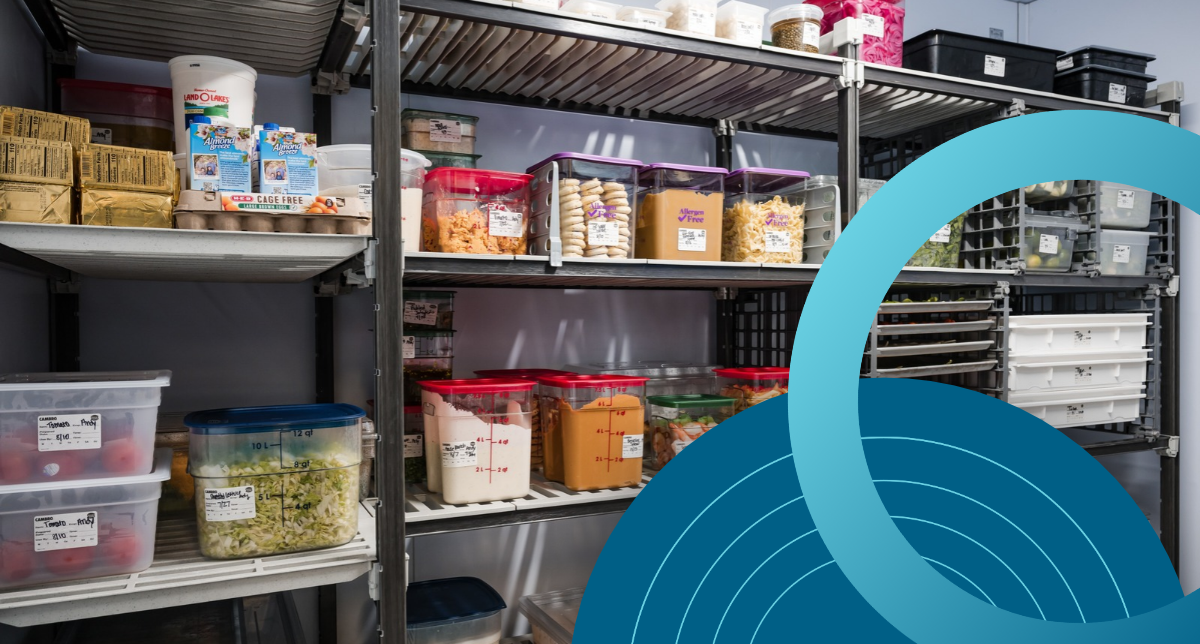
Food Storage Tips for Spring
Spring is the perfect time to reset your commercial kitchen before the busy season hits, and before health inspections ramp up. A few smart storage updates can help store food safely, improve organization, and support food safety with minimal disruption.
3 Essential Rules for Safe Food Storage
Before diving into our spring refresh tips, let's revisit the foundational principles of food safety. Following these three basic rules is critical for preventing foodborne illnesses and maintaining a professional, compliant commercial kitchen.
Keep It COLD
Temperature control is your first line of defense against bacterial growth.
- The Gold Standard: Always store perishable foods at the correct temperature—below 40°F (4°C).
- Monitor Regularly: Use internal thermometers to ensure your refrigeration units are consistently hitting these targets.
Keep It CLEAN
A sanitary environment prevents external contaminants from reaching your inventory.
- Pest Control: Ensure all storage areas remain pest-free by sealing cracks and maintaining strict cleaning schedules.
- Sanitize Surfaces: Regularly clean shelves, bins, and floors with food-safe sanitizers to eliminate mold and bacteria buildup.
Keep It SEPARATE
Cross-contamination is one of the leading causes of foodborne outbreaks. Proper organization is key.
- The Hierarchy of Storage: Store raw foods (like meats and poultry) away from and below cooked or ready-to-eat items.
- Dedicated Zones: Use specific shelving or containers for different food groups to ensure juices or particles from raw products never come into contact with fresh produce or prepared meals.
Quick Tips for Food Storage Success
Based on what our CFSP-certified foodservice specialists see in commercial kitchens, these quick storage tips help address the most common food safety and inspection issues. The tips below make it easier to store food safely while keeping your kitchen organized and inspection-ready.
Refresh Food Pans Before Inspection Season
Over time, pans can get scratched, warped, or damaged. These physical defects aren't just cosmetic; they create microscopic grooves where bacteria can hide, making it impossible to clean them properly. Because worn, stained, or mismatched pans are a "low-hanging fruit" for health inspectors to spot, they can lead to easy deductions during a walkthrough.
Spring is the perfect time to replace damaged inventory and standardize sizes across your line.
Refreshing your food pans helps:
- Maintain proper food safety and sanitation.
- Improve visibility and labeling during inspections.
- Keep prep areas looking clean and organized.
Use Vertical Space to Clear Prep Areas
If your prep tables feel crowded, the issue may not be your kitchen's footprint, but how you’re utilizing the space you have. Getting your station setup right is vital for maintaining a smooth work flow; when tools and ingredients are organized logically, your team can move faster and with fewer interruptions.
Adding vertical storage like shelves, wall-mounted racks, or overshelves can free up valuable work space on the table surface. Daily cleaning is also quicker and more reliable when prep areas are kept clear of clutter.
Using commercial shelving to go vertical helps:
- Reduce countertop clutter.
- Keep ingredients and tools within reach.
- Improve overall kitchen workflow.
Create Dedicated Zones with Storage Racks
Designating specific areas for ingredients, smallwares, and equipment helps to prevent cross-contamination, ensuring smoother operation. Clearly defined zones make inspections easier. It also makes it easier for your team to stay organized during busy shifts.
Storage racks make it easier to:
- Separate dry storage, prep items, and backup inventory.
- Maintain clear organization for staff.
- Stay compliant with food safety standards.
Final Thoughts
Spring is more than just a cleaning season; it’s about setting your team up for a successful, stress-free summer. By tightening up your storage habits and refreshing your gear now, you’ll stay ahead of the health inspector and keep your kitchen running like a well-oiled machine.
Not sure where to start? Setting up a high-performing kitchen is about more than just buying the right storage equipment—it’s about creating a layout that supports your unique team and volume. Our team includes CFSP-certified foodservice specialists who understand the complexities of commercial kitchen regulations and workflow. Whether you need help picking the right shelving or ensuring your prep station is inspection-ready, we're here to help make sure your workflow is perfect.


