
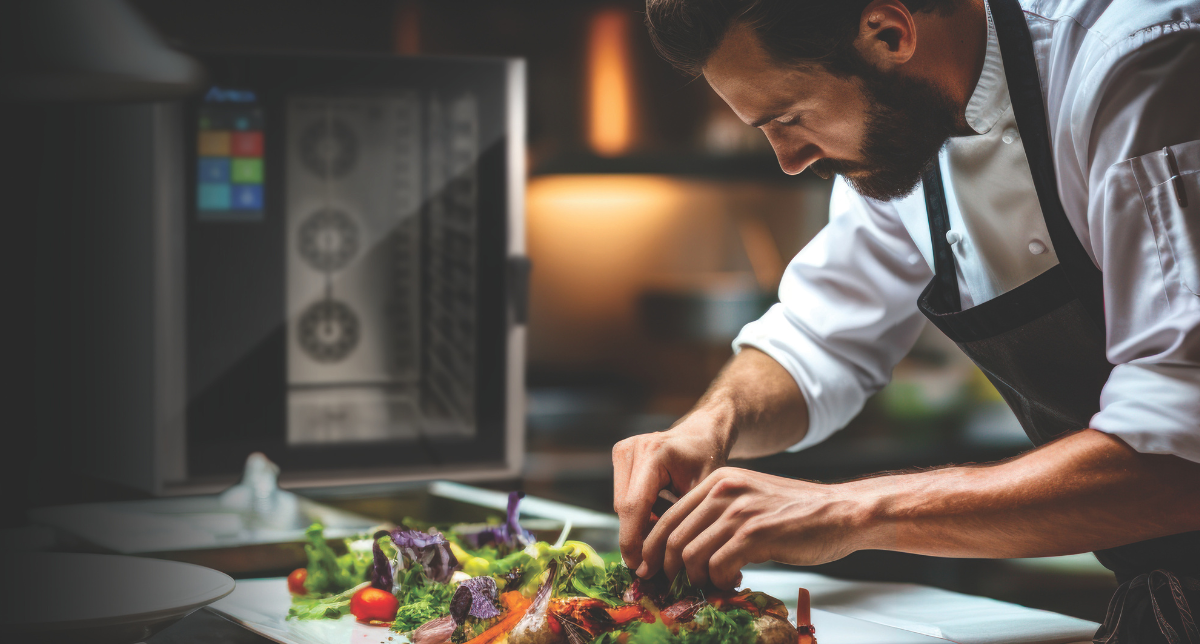
For years, commercial combi ovens were considered premium kitchen equipment, commonly found in large institutions, chain restaurants, hotels, and high-volume foodservice operations. Their ability to steam, bake, roast, and reheat using a combination of convection and steam made them valuable tools for kitchens focused on consistency and versatility.
For smaller operations, however, the upfront investment was often difficult to justify.
Today, more affordable commercial combi ovens are making this technology accessible to independent restaurants, bakeries, caterers, and other foodservice businesses. Manufacturers like Atosa are helping operators explore the benefits of combi cooking without the price tag traditionally associated with premium equipment.
Why are small kitchens considering affordable combi ovens? Modern commercial combi ovens combine steaming, convection cooking, and programmable recipes in one appliance. Budget-conscious options like Atosa's Smart Touch series give smaller operators access to these capabilities without requiring an investment in some of the industry's highest-priced equipment.
What Is a Combi Oven?
A combi oven is a commercial cooking appliance that combines three cooking methods into a single unit:
- Convection cooking: Circulates heated air throughout the cooking chamber to bake, roast, and brown foods.
- Steam cooking: Uses steam to cook foods gently while helping preserve moisture and texture.
- Combination cooking: Uses both hot air and steam, giving operators greater control over browning and moisture retention.
This flexibility allows kitchens to prepare a variety of menu items without relying on a separate appliance for every cooking method.
A restaurant might use convection mode to roast vegetables, steam mode to prepare seafood, and combination mode to cook proteins while limiting moisture loss. Bakeries can introduce steam during bread production, while caterers can use controlled cooking programs to prepare large batches consistently.
For smaller kitchens with limited equipment space, this versatility can be especially valuable.
Atosa Combi Ovens: Advanced Cooking Features at a More Accessible Price
Atosa has positioned its Smart Touch combi oven lineup around a straightforward idea: making versatile commercial cooking technology available to more foodservice operators.
Rather than requiring businesses to invest in a premium-priced model to gain access to programmable cooking and humidity management, Atosa offers a combination of features designed to support everyday commercial kitchen production.
Affordability is a major part of Atosa's appeal. For example, the Atosa AEC-0511 E offers five-pan capacity and programmable combi cooking at a price point that may be more attainable for smaller commercial kitchens. Operators can compare current pricing across Atosa's combi oven lineup to find a model that fits their budget and production needs.
For independent restaurants, growing catering companies, and smaller institutional kitchens, that means operators can evaluate combi cooking based on their actual needs without immediately stepping into the highest equipment price tier.
Smart Touch Controls Simplify Everyday Cooking
One challenge with introducing new kitchen equipment is getting employees comfortable using it.

Atosa combi ovens feature a 10-inch Smart Touch display with programmable menus and multi-stage cooking capabilities. Operators can create cooking programs that manage different stages of a recipe, reducing the need to manually adjust settings throughout the process.
For example, a kitchen preparing roasted chicken may need one cooking stage focused on moisture retention followed by another that develops exterior browning. A programmed cooking process helps employees follow the intended method more consistently.
This can be particularly helpful for restaurants with multiple employees preparing the same dishes or businesses that regularly train new kitchen staff.
While operators still need to establish proper cooking procedures and verify food temperatures, programmable settings can help reduce variations caused by manual adjustments.
Precise Humidity Control Supports Better Cooking Results
Moisture management is one of the biggest differences between a conventional convection oven and a combi oven.
Atosa's Smart Touch series includes automated humidity control designed to manage steam saturation and cooking conditions.
In practical terms, this gives operators greater flexibility when preparing foods that benefit from a combination of heat and moisture.
Proteins can be cooked with controlled humidity to help limit moisture loss, vegetables can be steamed without excessive drying, and baked goods can benefit from steam during appropriate stages of production.
Atosa also offers eight fan speeds with reverse airflow, allowing operators to adjust air circulation based on the food being prepared.
For a small commercial kitchen serving a varied menu, this level of control can make one oven useful across several cooking applications.
Programmable Recipes Help Maintain Consistency
Consistency matters in every kitchen, but it becomes especially important when multiple employees, shifts, or locations are responsible for preparing the same menu items.
Atosa combi ovens support programmable recipes and multi-stage cooking, allowing kitchens to establish repeatable processes for frequently prepared dishes.
The ovens also feature USB storage for saving and sharing recipes and unit data.
For a growing restaurant group or catering business, this creates opportunities to standardize cooking programs across compatible equipment.
Instead of relying entirely on handwritten instructions or individual employee experience, operators can establish cooking settings that support more consistent results.
This doesn't eliminate the importance of skilled kitchen staff, but it can make standardized preparation easier to manage.
Batch Cooking Features Support Busy Service Periods
Not every kitchen prepares food in large, uninterrupted batches. Some restaurants need equipment that can handle different products throughout service.
Atosa's Smart Touch rack-timing functionality supports batch cooking and à la carte applications, giving operators additional control over cooking times for different racks.
This can be useful for businesses preparing several menu items with varying cooking requirements, provided the products can share compatible cooking conditions.
Catering operations, school kitchens, and restaurants with busy service periods may find this particularly helpful when coordinating production.
Automated Cleaning Makes Daily Maintenance More Manageable
Cleaning requirements are an important consideration when evaluating any commercial oven, particularly equipment that uses steam and handles a wide variety of foods.
Atosa combi ovens include six automated wash modes designed to accommodate different cleaning needs based on soil levels and usage.
The ovens also feature twin chemical fill tanks, reminders for replenishing cleaning chemicals, and a high-pressure wash hose for manual rinsing.
Automated cleaning doesn't eliminate routine maintenance or the need for proper water treatment, but it can simplify parts of the daily cleaning process and help kitchens establish consistent care procedures.
For smaller teams balancing food preparation, service, and cleanup, that convenience can be a meaningful benefit.
Why Small Restaurants Have Traditionally Avoided Combi Ovens
Despite their advantages, combi ovens haven't always been a realistic purchase for independent operators.
High upfront costs have historically been one of the biggest obstacles. A restaurant operating on a limited equipment budget might prioritize a conventional convection oven, steamer, or range over a more expensive combi oven.
Price isn't the only consideration, though.
Smaller businesses may also have concerns about:
- Kitchen space: Finding room for another appliance in an already crowded cooking line.
- Staff training: Introducing equipment with unfamiliar cooking modes and digital controls.
- Production volume: Determining whether daily cooking demands justify the investment.
- Maintenance: Understanding cleaning requirements, water quality, and long-term operating costs.
- Return on investment: Evaluating how frequently the oven's additional capabilities will actually be used.
These concerns are reasonable. A combi oven should solve a real operational need, not simply introduce another piece of equipment into the kitchen.
That's where affordable options like Atosa's Smart Touch combi oven series become worth exploring.
Five Businesses That Can Benefit From an Atosa Combi Oven
1. Independent Restaurants
Independent restaurants often balance limited kitchen space, changing menus, and lean staffing.
An Atosa combi oven can support multiple cooking applications while allowing employees to use saved programs for frequently prepared dishes.
For restaurants that regularly roast proteins, prepare vegetables, and bake menu items, the combination of cooking flexibility and programmable controls may be especially valuable.
2. Bakeries and Cafés
Steam can play an important role in bread production, helping support crust development during the baking process.
Atosa's steam and convection functionality gives bakeries more control over cooking conditions, while adjustable fan speeds allow additional flexibility for different products.
Cafés and smaller bakeries preparing both baked goods and savory menu items may benefit from an oven that supports several types of production.
3. Catering Operations
Caterers frequently prepare different menus for events of varying sizes.
An Atosa combi oven can support batch cooking, roasting, steaming, and other preparation methods while using programmable recipes to help maintain consistency.
For catering companies experiencing growth, this flexibility can be useful when planning equipment purchases around changing production demands.
4. Churches and Community Organizations
Churches, community centers, and event facilities may prepare meals only a few times per week, but those meals can involve a wide variety of menu items.
Purchasing separate equipment for every cooking method may not be practical.
A combi oven offers a versatile option for preparing group meals, supporting community events, and accommodating different cooking needs throughout the year.
Atosa's more accessible pricing may make the technology easier to consider for organizations with limited equipment budgets.
5. Schools and Small Institutions
Smaller schools, daycare centers, and institutional kitchens often need dependable equipment that supports repeatable meal preparation.
Atosa's programmable cooking capabilities can help staff establish consistent settings for regularly served foods.
Steam and combination cooking also give these operations additional ways to prepare vegetables, proteins, and other menu items while managing moisture and texture.
For kitchens serving large groups on a regular schedule, those capabilities can support more predictable food production.
Choosing the Right Atosa Combi Oven for Your Kitchen
Before purchasing a combi oven, operators should evaluate more than price alone.
Atosa offers several Smart Touch combi oven models with different capacities, allowing businesses to select equipment based on their available space and production needs.
Here are a few important considerations.
Cooking Capacity and Menu Volume
Start by determining how many portions or pans your kitchen needs to prepare during its busiest production periods.
A smaller-capacity combi oven may work well for a café, independent restaurant, or kitchen with modest batch requirements. Higher-volume operations may need a larger model to accommodate greater production demands.
Consider both your current needs and anticipated growth, especially if your business plans to expand catering services or menu offerings.
Available Kitchen Space
Although combi ovens can consolidate certain cooking functions, their physical dimensions still need to fit the kitchen layout.
Review equipment dimensions, ventilation requirements, door clearance, and access for cleaning and maintenance.
An appropriately sized oven should support the kitchen's workflow without creating unnecessary congestion.
Electrical, Water, and Drain Requirements
Atosa's Smart Touch combi oven lineup includes electric models that require appropriate electrical service, water connections, and drainage.
Before selecting a model, verify that your facility can accommodate the manufacturer's installation requirements.
Water quality is another important consideration. Proper water treatment and routine maintenance help protect steam-generating equipment from mineral buildup and other water-related issues.
Staff Training and Recipe Development
Programmable cooking can make daily food preparation more consistent, but operators still need to develop and test recipes for their specific menus.
Plan time to train employees on cooking modes, recipe programs, cleaning procedures, and proper food safety practices.
Establishing those processes early can help your team make better use of the oven's capabilities.
Is an Atosa Combi Oven Right for Your Kitchen?
An Atosa combi oven may be a strong fit if your operation:
- Prepares a variety of menu items using different cooking methods.
- Wants greater control over cooking temperature and humidity.
- Needs programmable recipes to support consistent preparation.
- Has limited room for multiple specialized appliances.
- Regularly prepares food in batches.
- Wants to explore combi cooking without investing in a premium-priced model.
However, a combi oven isn't the right solution for every operation.
A business preparing only a limited number of simple menu items may find that its existing cooking equipment is sufficient. Other kitchens may require dedicated appliances for production tasks that a combi oven cannot efficiently handle.
It's also important to account for installation, water treatment, cleaning supplies, and ongoing maintenance when comparing equipment costs.
The best choice depends on how frequently the oven will be used and how well its capabilities align with your kitchen's menu and workflow.
Bring Combi Cooking Within Reach With Atosa
Commercial combi ovens no longer need to be viewed exclusively as equipment for large institutions or high-volume kitchens.
With its Smart Touch combi oven series, Atosa is giving more foodservice operators an opportunity to explore programmable cooking, precise humidity management, and versatile food preparation at a more approachable price point.
For independent restaurants, bakeries, caterers, and small institutions, the right combi oven can be a practical investment in greater cooking flexibility and more consistent daily operations.
Ready to explore affordable combi cooking?
Browse Atosa combi ovens at Burkett Restaurant Equipment & Supplies or connect with our team to find the right model for your kitchen's space, menu, and production needs.


